Raspberry Pi – Teaching Electronics + Programming in Large Virtual Events Part 1

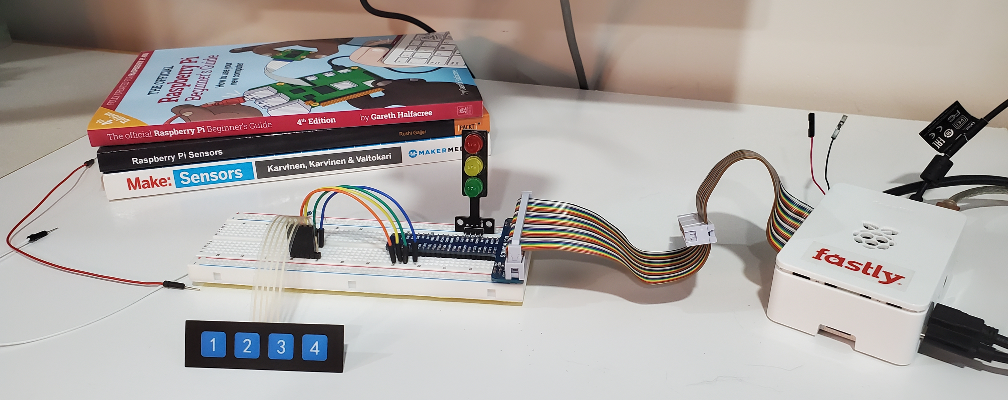
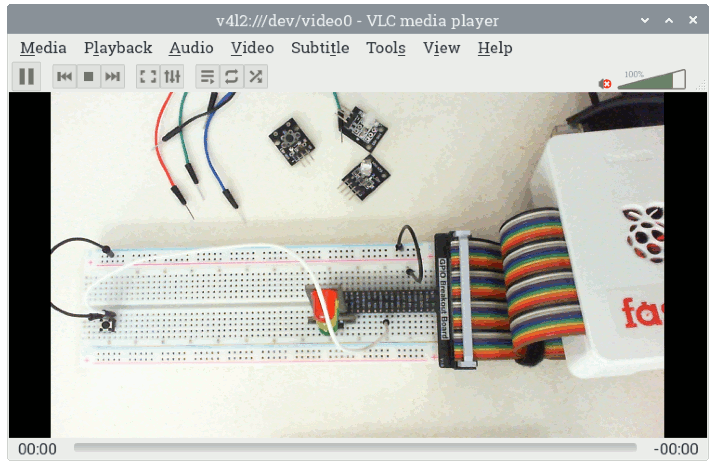
The Raspberry Pi Foundation was founded in 2009 to teach basic computer science.  Inexpensive, standardized and versatile.  If you are going to leverage them to teach electronics in a larger setting, especially virtual events, there are some best practices that will reduce friction, allow you to teach larger groups and…

No, I Don’t Want to “Put time on (your) calendar”

Growing or evolving companies will undoubtedly have undocumented and non-standard processes.  Teams often share these processes as tribal knowledge of sorts.  The key issue with this methodology is that they aren’t shared  consistently and deviations will appear over time.  This also doesn’t scale well. It is a sign of inexperienced…

Slackware, Still Very Much Alive

A recent article at tecmint.com says that there are over 600 Linux distros (distributions).  Of those 500 are in active development.  If you aren’t familiar, a “distro” is a way of packaging up the Linux kernel with a set of applications.  Different ones have evolved with different priorities and methodologies.…

Reverse Engineering a Linux Install

The Linux world is full of different package managers.  Yum, Apt and others can make it complex when a solution doesn’t support a distro (distribution) you are already standardized on.  If the option of compiling yourself is not available, the next option is to convert the available packages or extract…

Inclusive Leadership – What Will I Do?

Even as an IC (Individual Contributor),  a good understanding of inclusive leadership is of value.  A solid grasp here helps you better follow and support your leaders.  As such I am completing a course in Becoming a Successful Leader.  This is one of three courses in the  Inclusive Leadership professional…