Raspberry Pi – Teaching Electronics + Programming in Large Virtual Events Part 1

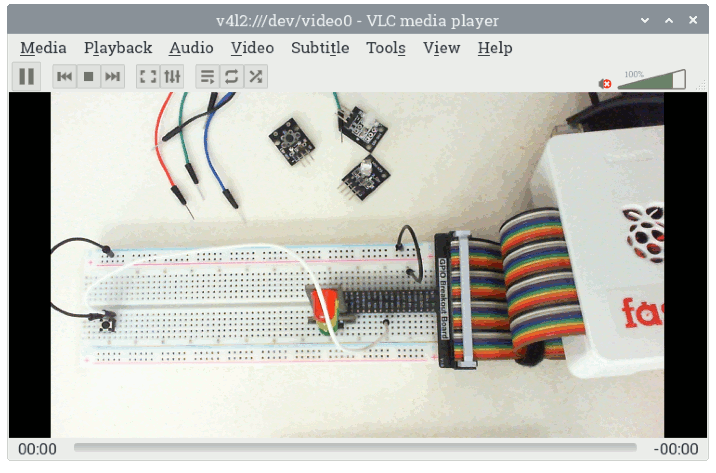
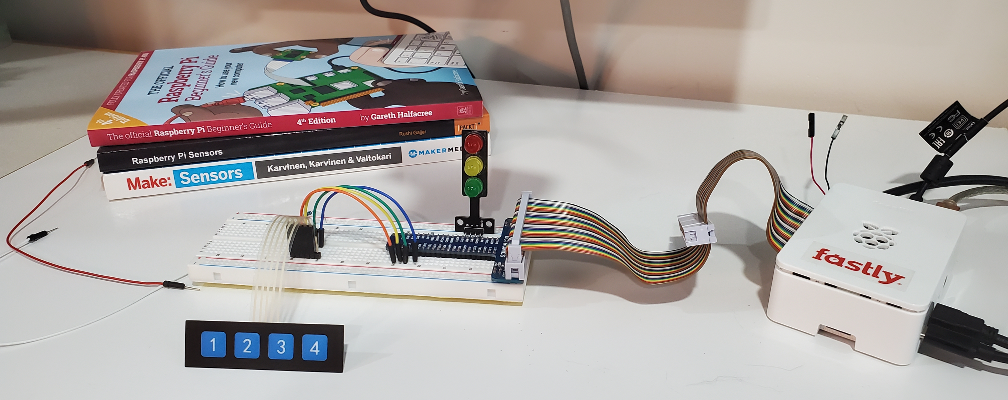
The Raspberry Pi Foundation was founded in 2009 to teach basic computer science.  Inexpensive, standardized and versatile.  If you are going to leverage them to teach electronics in a larger setting, especially virtual events, there are some best practices that will reduce friction, allow you to teach larger groups and…

Read More

Slackware, Still Very Much Alive

A recent article at tecmint.com says that there are over 600 Linux distros (distributions).  Of those 500 are in active development.  If you aren’t familiar, a “distro” is a way of packaging up the Linux kernel with a set of applications.  Different ones have evolved with different priorities and methodologies.…
Read More

How to Include a Raspberry Pi in a Remote Demo – Part 1

Raspberry Pi single board computers have been around for more than 8 years now.  They are great for IoT (Internet of Things), learning about InfoSec (Information Security), as a portable/inexpensive development environment or working into events to teach programming or electronics.  When the time comes to do a virtual course…
Read More

Reverse Engineering a Linux Install

The Linux world is full of different package managers.  Yum, Apt and others can make it complex when a solution doesn’t support a distro (distribution) you are already standardized on.  If the option of compiling yourself is not available, the next option is to convert the available packages or extract…
Read More

Regex and Performance

Compute power costs money.  This is one reason why it is important that developers write their regular expressions (regex) with efficiency in mind.  It also needs to be written correct so that it functions explicitly as intended.  I was using a SaaS tool to simulate the performance impacts of certain…
Read More